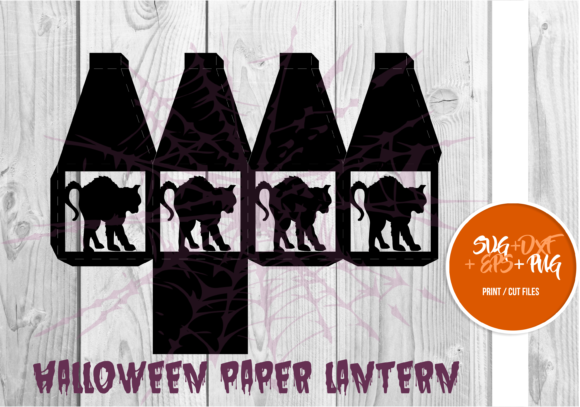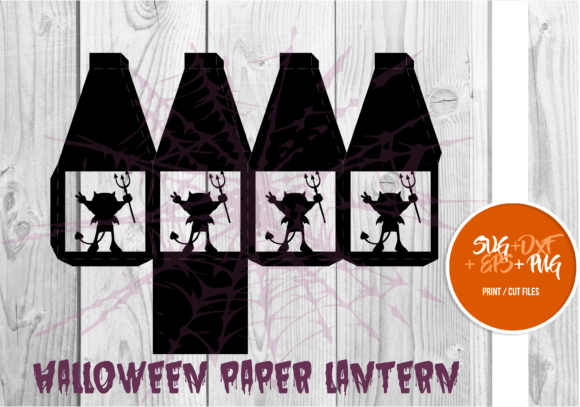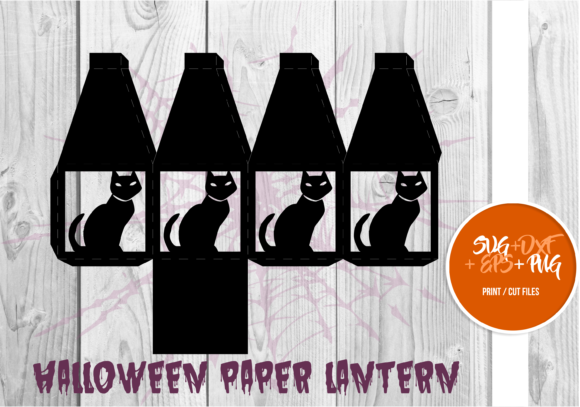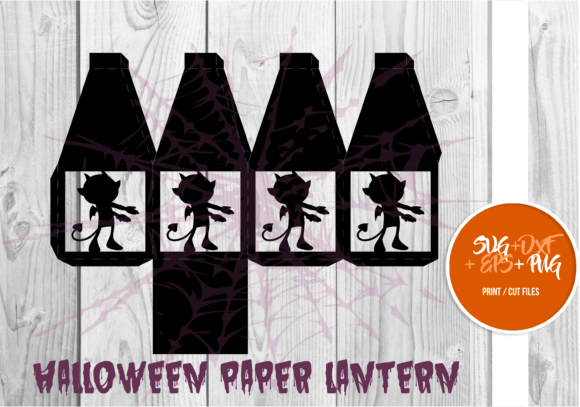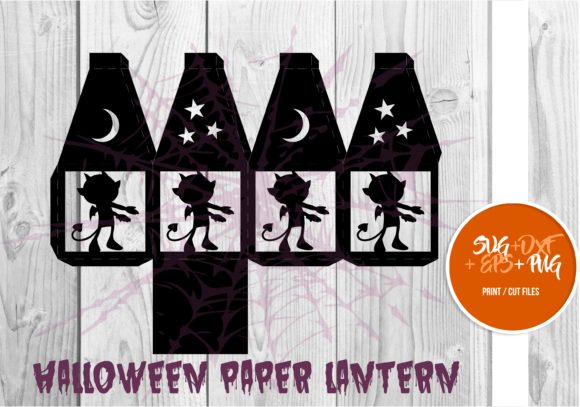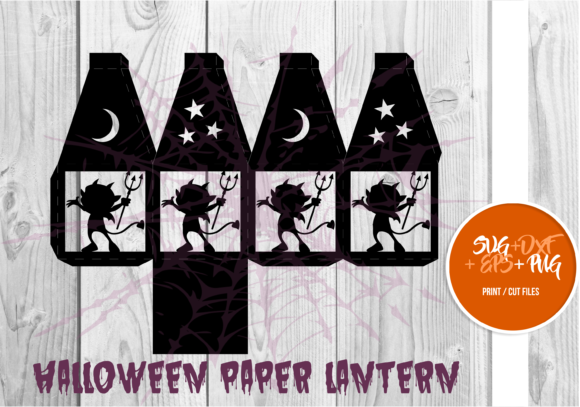
Halloween Paper Lantern Series 041: A Designer’s Review
As a professional embroidery digitizer and product reviewer, I approach every new design file with a critical eye. It is not enough for a graphic to look pretty on a screen; it must translate into thread, withstand washing, and ultimately sell as a finished product. When evaluating the Halloween Paper Lantern Series 041, my primary focus is on its versatility as a seasonal asset for makers and small business owners. While the product description highlights its origins as a paper craft fitting an 8.5 x 11.7 sheet, my assessment centers on how this aesthetic translates into a machine embroidery design for real-world applications.
The visual personality of this lantern strikes a specific balance. It avoids the overly gruesome side of Halloween, leaning instead into a nostalgic, folk-art vibe. This makes it an excellent candidate for creators who want to offer holiday embroidery that appeals to a broader demographic, including those decorating nurseries, kitchens, or boutique shops. The shape is distinct, and because it is categorized under Shapes and originates from a 3D SVG concept, the lines are likely clean and geometric, which is generally favorable for digitizing into satin stitch or fill stitch areas without excessive complexity.
Real-World Application: Stitching for the Fall Market
To truly understand the value of Halloween Paper Lantern Series 041, we have to move beyond the digital preview and imagine it in a production scenario. Recently, I was consulting with an Etsy seller looking to expand their fall inventory beyond standard pumpkin motifs. We needed a design that would work on both apparel and home decor without requiring multiple hoop sizes.
In this context, I envision this lantern design as a centerpiece for a cream-colored linen tea towel or a sweatshirt embroidery project. The structured nature of a lantern shape provides a natural frame. For a custom apparel piece, such as a unisex hoodie, placing this design on the left chest creates a subtle, high-end look rather than a loud costume effect. If you are creating an embroidered patch, the defined edges of the lantern make it ideal for a merrowed border or a tight satin stitch outline. For baby embroidery, the softer aesthetic allows you to use muted oranges, creams, and sage greens, making it appropriate for infant wear where traditional scary Halloween themes might be rejected by parents.
For craft business owners, this design serves as a strong anchor for a collection. Because it stems from a series, it encourages customers to buy multiple items or return for coordinating pieces. Whether you are stitching tote bag designs for a harvest festival or creating personalized gifts for teachers, this motif offers enough detail to look professional but enough simplicity to stitch out quickly, keeping your profit margins healthy.
Fabric Selection and Technical Considerations
While the aesthetic is charming, technical execution determines whether a handmade product looks amateur or artisanal. When working with Halloween Paper Lantern Series 041, fabric texture plays a massive role in the final outcome. Because lantern designs often feature internal details like ribs, faces, or patterns, stitching on high-pile fabrics like terry cloth or fleece can cause those details to get lost.
If you plan to use this on textured fabrics, you must verify the stitch density. You may need to add a water-soluble topping to prevent stitches from sinking. Conversely, if you are working with thin fabric or stretchy knits for baby clothes or lightweight tees, the stabilizer choice is non-negotiable. A cutaway stabilizer is usually best for knits to prevent the lantern shape from distorting during wear and washing. Always test the design on scrap fabric first. This step is crucial for checking registration, especially if the design includes multiple color changes or applique elements.
Be mindful of dark fabric backgrounds. If the embroidery file relies heavily on light-colored running stitch details to define the lantern's form, those details may vanish on black or navy material. In such cases, you might need to adjust thread colors or modify the digitizing to include a lighter underlay or outline. Similarly, when considering curved surfaces like caps, ensure the design height does not exceed your cap frame’s limitations. The vertical orientation of many lantern shapes can sometimes be tricky on low-profile caps, so a flat brim hat or a bucket hat might be a safer bet for maintaining design integrity.
Elevating Product Value and Brand Consistency
Using a cohesive design like Halloween Paper Lantern Series 041 impacts more than just the immediate sale; it affects buyer engagement and brand recognition. Customers trust sellers who present polished, consistent work. A well-stitched lantern that maintains its shape after laundering signals quality. When listing this on platforms like Etsy, your printable mockup should accurately reflect the stitch texture. Do not rely solely on digital renders; photograph a stitched sample on the actual intended product. This transparency builds customer trust and reduces returns.
For digital product sellers offering this as part of a bundle or commercial embroidery package, clarity is key. Ensure your listing specifies whether the file has been tested for stitch-out quality. Buyers need to know if they are getting a verified embroidery file or a converted vector that might require editing. As a maker, your reputation hinges on the performance of your design assets. If you are selling finished goods, the uniqueness of this lantern helps differentiate your shop from mass-produced holiday decor. It bridges the gap between traditional crafting and modern boutique aesthetics, increasing the perceived value of your work.
Essential Pre-Stitch Checklist for Makers
Before you commit Halloween Paper Lantern Series 041 to a final product or list it in your shop, run through this practical checklist to ensure success:
- Verify Hoop Compatibility: Confirm the design dimensions fit your specific machine’s hoop size with adequate clearance for the presser foot.
- Check Licensing: Review the terms carefully. Confirm whether you have rights for commercial embroidery, digital resale, or both before selling finished products or files.
- Test Contrast: Stitch a sample on both light and dark fabrics to ensure all design elements remain visible and legible.
- Inspect Small Details: Look closely at any tiny lettering or intricate cutouts. If they are too small for your needle size or fabric type, edit them out or simplify them to prevent thread breaks.
- Validate Stabilizer Pairing: Match your stabilizer to the fabric weight. Use tear-away for stable wovens and cutaway for stretchy or delicate materials.
- Review Color Sequence: Check the thread color chart included with the digital embroidery file. Plan your color order to minimize jumps and trims, improving production efficiency.
- Assess Washability: If the item requires frequent washing, such as a kitchen towel or baby bib, ensure the stitch type is durable. Satin stitches should be secure, and fill stitches should not be too sparse.
Ultimately, Halloween Paper Lantern Series 041 represents a versatile opportunity for creative entrepreneurs. It is more than just a seasonal graphic; it is a potential staple for autumn collections across various mediums. By approaching this design with technical diligence and creative intention, you can transform a simple digital file into a profitable, professional-grade embroidery project that resonates with buyers and celebrates the season with style.