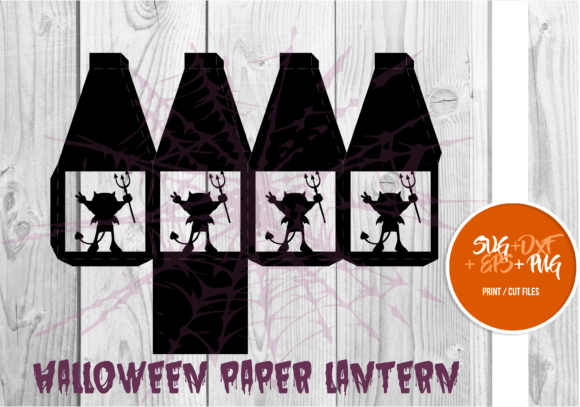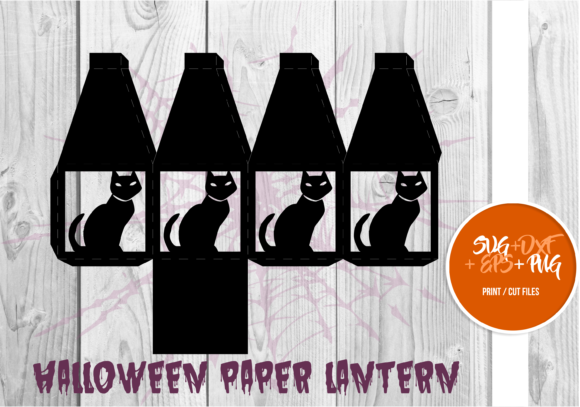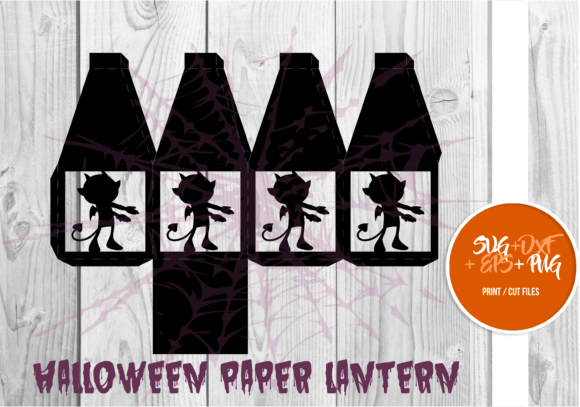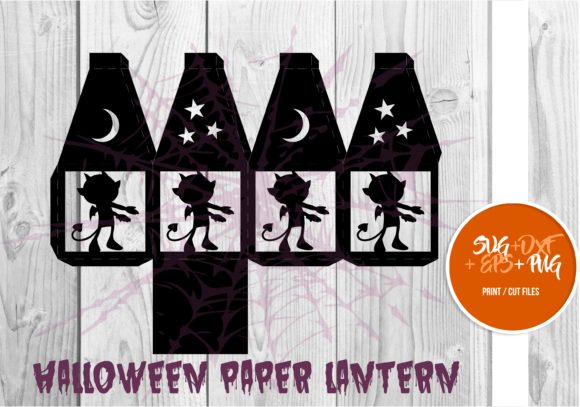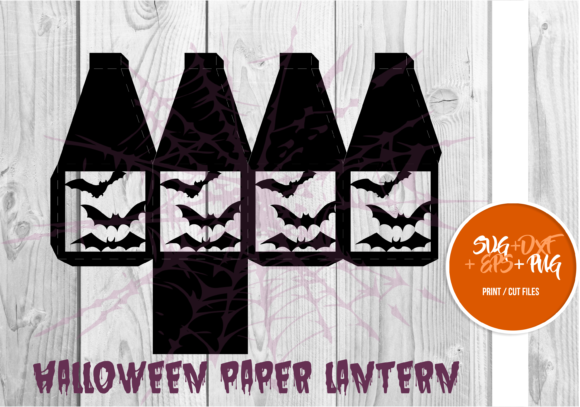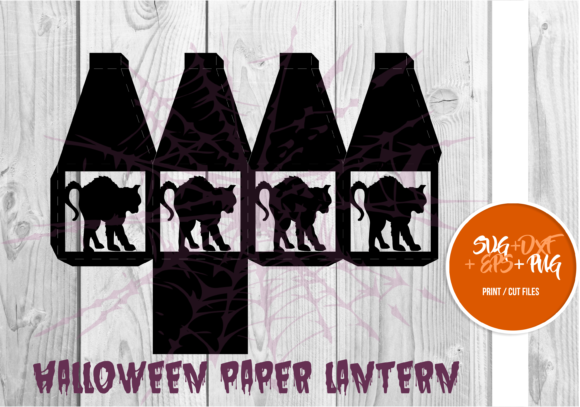
Halloween Paper Lantern Series 115: A Maker’s Review
As a designer who constantly balances aesthetic appeal with production reality, I approach every new asset with a critical eye. When evaluating the Halloween Paper Lantern Series 115, my first thought wasn't just about its festive charm, but how it translates from a digital concept to a tangible handmade product. This design is categorized under Shapes and provided as a 3D SVG, intended originally for an 8.5 x 11.7 sheet. However, for those of us in the craft business or running an Etsy shop, the real value lies in adapting this structural artistry into textile applications. The mood is undeniably nostalgic yet crisp, offering a geometric elegance that avoids the cluttered look common in seasonal graphics. It feels like a premium addition to holiday decor, but as an embroidery professional, I need to know if it holds up when thread hits fabric.
Translating Paper Geometry to Stitched Textiles
The visual personality of Halloween Paper Lantern Series 115 is defined by clean lines and intentional negative space. In paper crafting, these folds create depth through shadow. In machine embroidery, we must recreate that depth through stitch density and texture contrast. When I reviewed this file for potential adaptation into a tote bag design or sweatshirt embroidery, I immediately saw the challenge and opportunity presented by its 3D nature. Unlike flat clipart, this design requires the embroiderer to think about layering. If you are converting this SVG into an embroidery file, you cannot simply auto-digitize. The structural integrity of the lantern depends on precise alignment.
For a recent client project involving custom autumn boutique merchandise, I considered this lantern motif for a line of canvas market bags. The geometric precision of the Series 115 design lends itself beautifully to structured fabrics like canvas or denim. On these stable materials, the sharp angles of the lantern can be rendered with crisp satin stitch borders or clean running stitch outlines that mimic paper folds. However, if you plan to use this for baby embroidery on soft knits or fleece, the rigid geometry might feel out of place or cause puckering without significant modification. The design naturally belongs on items where structure is part of the appeal, such as pillow covers, tea towels, or framed hoop art, rather than stretchy activewear.
Real-World Application: The Custom Tote Test
To truly judge the viability of Halloween Paper Lantern Series 115 for commercial use, I mentally walked through producing a batch of embroidered totes for a fall pop-up shop. Customers at these events are tactile; they touch the merchandise before buying. A finished product featuring this lantern needs to feel as high-quality as it looks in a printable mockup. Because the original design fits a standard letter-sized sheet, scaling it down for a 5x7 hoop or up for a large jacket back requires careful attention to detail retention.
In this scenario, I would treat the lantern panels as distinct zones. Using varying thread colors or different stitch directions within the same color can simulate the 3D folding effect described in the product details. For example, a matte black fill stitch next to a glossy orange satin stitch creates visual separation that mimics light hitting a paper fold. This level of intentionality elevates the item from a generic holiday craft to a bespoke personalized gift or boutique piece. Buyers engage more deeply with products that show this kind of thoughtful execution. It signals professionalism and builds trust in your brand, distinguishing your work from mass-produced alternatives.
Navigating Fabric Limitations and Hoop Constraints
While the aesthetic is versatile, practical constraints dictate where Halloween Paper Lantern Series 115 should be used with caution. As a 3D SVG adapted for embroidery, intricate corners are potential failure points on certain substrates. I would advise against using this design on highly textured fabrics like terry cloth or boucle unless you simplify the details significantly. The fine lines that define the lantern's shape will get lost in the pile, resulting in a muddy appearance that diminishes the product value.
Furthermore, consider your hoop size and stabilizer strategy. Since the design was originally formatted for paper, it likely contains elements that are close together. On thin or stretchy fabrics, this proximity increases the risk of distortion. You must use adequate stabilizer—perhaps a cutaway for knits or a heavy tear-away for woven goods—to maintain the geometric accuracy. Dark fabrics present another hurdle; if the lantern relies on internal contrast to show its 3D form, you may need to add an underlay or outline to prevent the design from disappearing into the background. Always test on scrap fabric first. A failed stitch-out on a $30 sweatshirt is a costly lesson that a simple swatch test could have prevented.
Commercial Viability and Professional Presentation
For Etsy sellers and small shop owners, time is money. Halloween Paper Lantern Series 115 offers a strong foundation for seasonal inventory because of its recognizable silhouette. However, before listing any custom apparel or home decor featuring this design, verify your licensing. Ensure you have the right to sell finished products or distribute modified digital embroidery files. Nothing undermines customer trust faster than copyright issues.
When creating listings, use the design’s versatility to your advantage. Show it in multiple contexts: a window cling (honoring its original paper intent), an embroidered patch for jackets, and a stitched accent on a kitchen towel. This demonstrates the design's range to potential buyers. Pay attention to how the design photographs. The 3D aspect means lighting matters immensely in product photography. Flat, harsh lighting will flatten the embroidery, negating the dimensional effort you put into digitizing. Use angled lighting to highlight the texture differences between stitch types, reinforcing the premium nature of your holiday embroidery.
Essential Designer Notes for Success
Before you load this design into your machine or list it in your shop, run through this practical checklist derived from professional experience:
- Verify Dimensions: Confirm the specific dimensions after converting from SVG to your embroidery format. Do not assume it fits your hoop without measuring.
- Test Contrast: View the design in black and white before stitching. If the 3D effect vanishes in grayscale, your thread contrast is insufficient.
- Check Density: Ensure the stitch density is appropriate for your target fabric. Paper designs converted to embroidery often need density adjustments to prevent bulletproof stiffness or fabric damage.
- Mockup Reality: Compare your digital mockups against actual stitch-outs. Digital perfection often hides registration errors that occur in real-world commercial embroidery.
- Wash Testing: If selling wearable items like aprons or baby clothes, wash the test sample. Geometric designs can warp if the stabilizer washes out unevenly.
- Detail Inspection: Zoom in on the smallest fold lines. If they are thinner than 1mm, they may need to be thickened or removed for reliable stitching.
Halloween Paper Lantern Series 115 is more than just a seasonal graphic; it is a study in form that challenges makers to elevate their technical skills. Whether you are creating a personalized gift for a friend or stocking your shelves for the October rush, treating this design with professional respect ensures the final result honors both the original artistry and your craftsmanship. By understanding the interplay between digital geometry and physical thread, you transform a simple shape into a compelling, sellable asset that stands out in a crowded handmade marketplace.